What are the requirements for high-visibility clothing?
High-visibility clothing is becoming increasingly important. In more and more professions, high-visibility clothing must be worn. It must be worn in professions near flowing traffic, motorized vehicles, and during work in the dark. The standard EN ISO 20471 ensures that the high-visibility clothing meets all important requirements. What exactly these are and what different classes exist for the clothing can be read in this article.
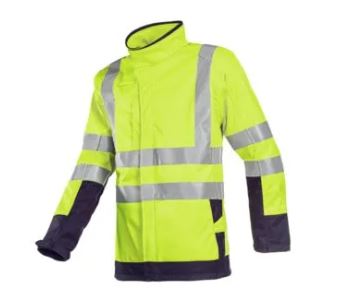
The high-visibility clothing can consist of a high-visibility jacket and high-visibility trousers.
What does DIN EN ISO 20471 mean for high-visibility clothing?
The standard DIN EN ISO 20471 is the European standard for high-visibility clothing. This standard is divided into three different classes. These classes are for situations where there is an increased safety risk.
Class 1
Class 1 is the class with the lowest requirements. It is suitable for work where there are low accident risks, such as in places with partially available daylight. It provides additional visibility in the work environment. The maximum speed limit is 30 km/h.
Class 2
High-visibility clothing of Class 2 is for work on public roads where the speed limit does not exceed 50 km/h. It ensures good visibility for professions in road construction, courier services, or general twilight conditions.
Class 3
The highest class is Class 3. It ensures the highest visibility. The visibility extends up to a speed limit of 90 km/h. We recommend wearing high-visibility jackets and trousers of Class 3, as the increased visibility significantly reduces the risk of accidents.
In what colors is high-visibility clothing available?
- Yellow
- Orange
- Red
What does HI-VIS mean in high-visibility clothing?
In high-visibility clothing, HI-VIS stands for High Visibility. When translated, it means High Visibility.