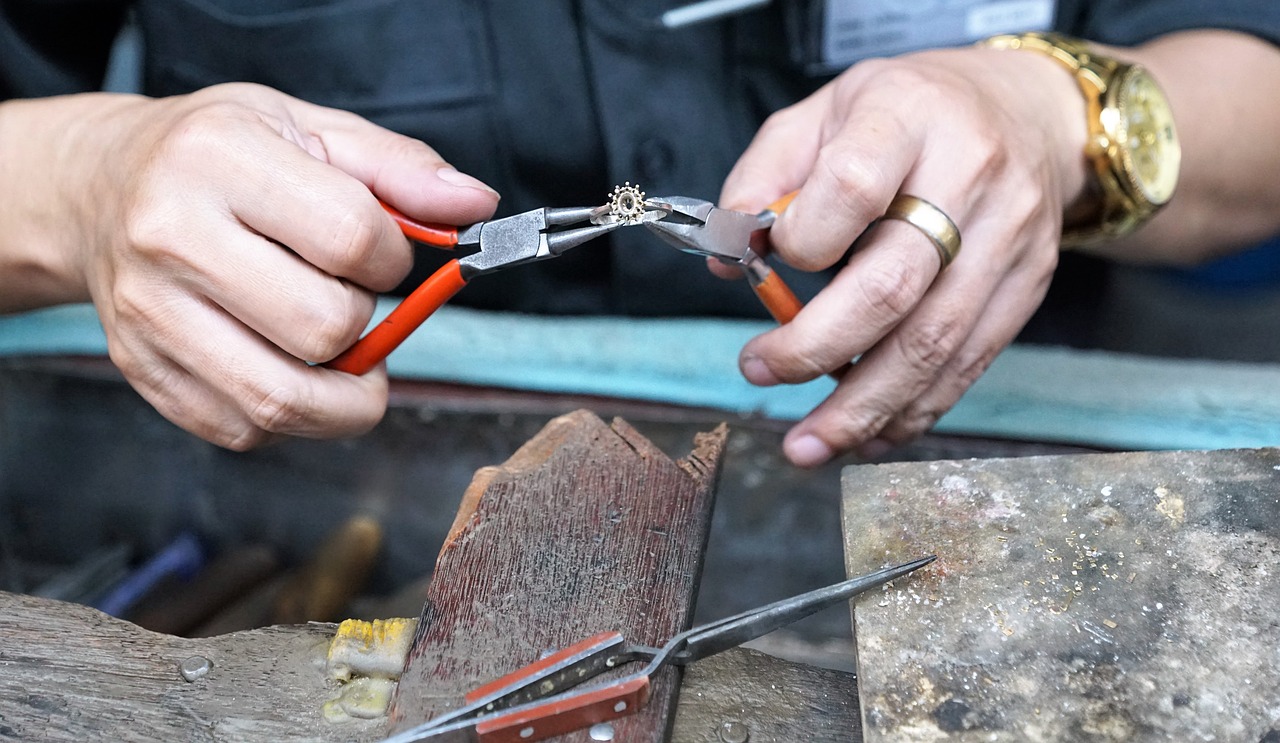
All About Pliers: Your Comprehensive Guide
What is a Pliers and Its Function?
Pliers are versatile tools used in various fields such as crafts, electronics, and medicine. They are used for gripping, holding, bending, and cutting different materials. Pliers typically consist of two lever arms connected at a pivot point, providing increased leverage.
How to Choose the Right Pliers?
Choosing the right pliers for a specific project or task is crucial to ensure both efficiency and safety at work. Pliers are versatile tools available in various shapes, sizes, and for different purposes. From standard combination pliers to specialized pliers like side cutters, needle-nose pliers, water pump pliers, to crimping tools and wire cutters – selecting the right pliers can seem overwhelming. In this guide, we will go through the key factors you should consider to choose the perfect pliers for your needs.
Determine the Purpose
The first step in choosing the right pliers is determining their purpose. Different pliers are designed for specific tasks. For example, needle-nose pliers are ideal for precision work in tight spaces, while combination pliers are suitable for a variety of tasks, including holding, bending, and cutting wire.
Types of Pliers and Their Applications
- Combination Pliers: Universally usable for cutting, gripping, bending, and holding.
- Side Cutters: Designed for cutting wires and small metal pieces.
- Needle-Nose Pliers: Ideal for precise work and manipulating small objects.
- Water Pump Pliers: Adjustable pliers for gripping and turning pipes or nuts of various sizes.
- Crimping Tools: Specifically used for crimping, i.e., connecting cables and connectors.
Material and Quality
The material quality of your pliers affects both their durability and performance. High-quality pliers are usually made from chrome-vanadium or chrome-molybdenum steel, giving them strength and corrosion resistance. Look for pliers that have been additionally induction-hardened to make the cutting edges more resistant to wear.
Ergonomics and Comfort
When choosing pliers, it's important to pay attention to grip comfort and ergonomics. Handles with a non-slip coating or ergonomically shaped handles can reduce hand fatigue and improve handling, especially during longer tasks.
Safety Features
Some pliers come with safety features like insulation or special locking mechanisms. For work involving electrical current, always choose insulated pliers that meet relevant safety standards.
Reviews and Brand Reputation
Before making a decision, research product reviews and the brand's reputation. High-quality pliers from reputable brands may be more expensive but generally offer better quality and reliability.
Maintenance and Care of Pliers
Regular maintenance extends the life of your pliers. Clean them after each use, keep them dry to prevent rust, and oil the joints to keep them smooth. Also, regularly check the cutting edges for wear and sharpness.
Frequently Asked Questions About Pliers
How to Best Store Pliers?
For neat and safe storage, toolboxes, wall mounts, or special pliers holders are suitable. It's important that the pliers are protected and easily accessible.
Can Pliers Rust and How to Prevent It?
Pliers can rust, especially when exposed to moisture. This can be prevented by regular cleaning, keeping them dry, and occasionally oiling the joints and metal parts.
Is There a Difference Between Cheap and Expensive Pliers?
Yes, the difference often lies in material quality and workmanship. More expensive pliers generally offer higher durability, better ergonomics, and more precise results. However, budget models can also be sufficient for occasional use.
Safety Tips for Handling Pliers
Safety is crucial when handling pliers. Always wear protective gear like gloves and safety glasses. Avoid using pliers for tasks they are not intended for to prevent damage and accidents. Ensure that the pliers are in good condition and have no loose parts.
Environmentally Friendly Disposal of Old Pliers
Old and damaged pliers should be disposed of in an environmentally conscious manner. Many metals can be recycled. Check with your local recycling center for options on disposing of metal tools.
The History of Pliers
The history of pliers goes back centuries. Originally, simple forms of pliers were used by blacksmiths. Over time, various forms and types developed for specific applications in crafts and industry.
Future Trends in Pliers
In the modern world, we are experiencing continuous innovations in the tool sector. Future pliers may feature improved ergonomic handles, stronger materials, and integrated technologies such as voltage detectors.